

Federal Energy Policy Will Increase Energy Bills, Cut Off Affordable Electricity Generation Additions
More emissions, higher consumer costs, dirtier air, and less power when we need it most


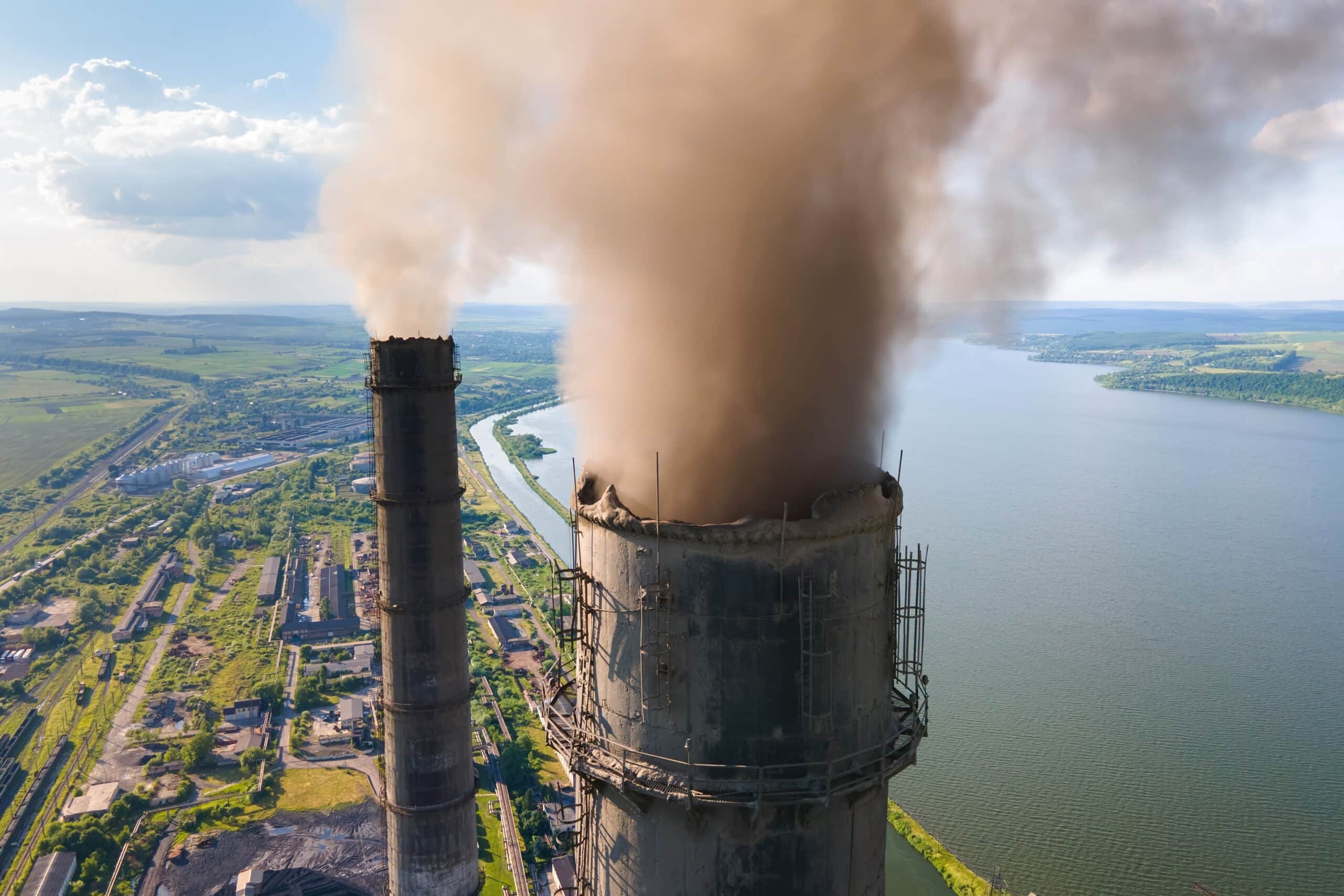
Energy policy decisions made since January 2025 by Congress, the current administration, and its federal agencies are cutting off the pipeline of clean energy deployment that utilities and governments were counting on to affordably meet rising demand, right when America needs as much new power as it can get.
Federal policy decisions favoring natural gas and keeping expensive, dirty coal plants open are forcing families and businesses to pay higher electricity bills due to the higher operating cost of fossil fuel power plants and the high price of building new gas generation.
Our modeling reveals the impact of federal energy policy decisions across America: 152 gigawatts’ (GW) lost clean energy capacity additions through 2030 and 637 GW through 2040, an extra $650 billion in energy costs for households, and $2.3 trillion in lost GDP between 2026 and 2040.
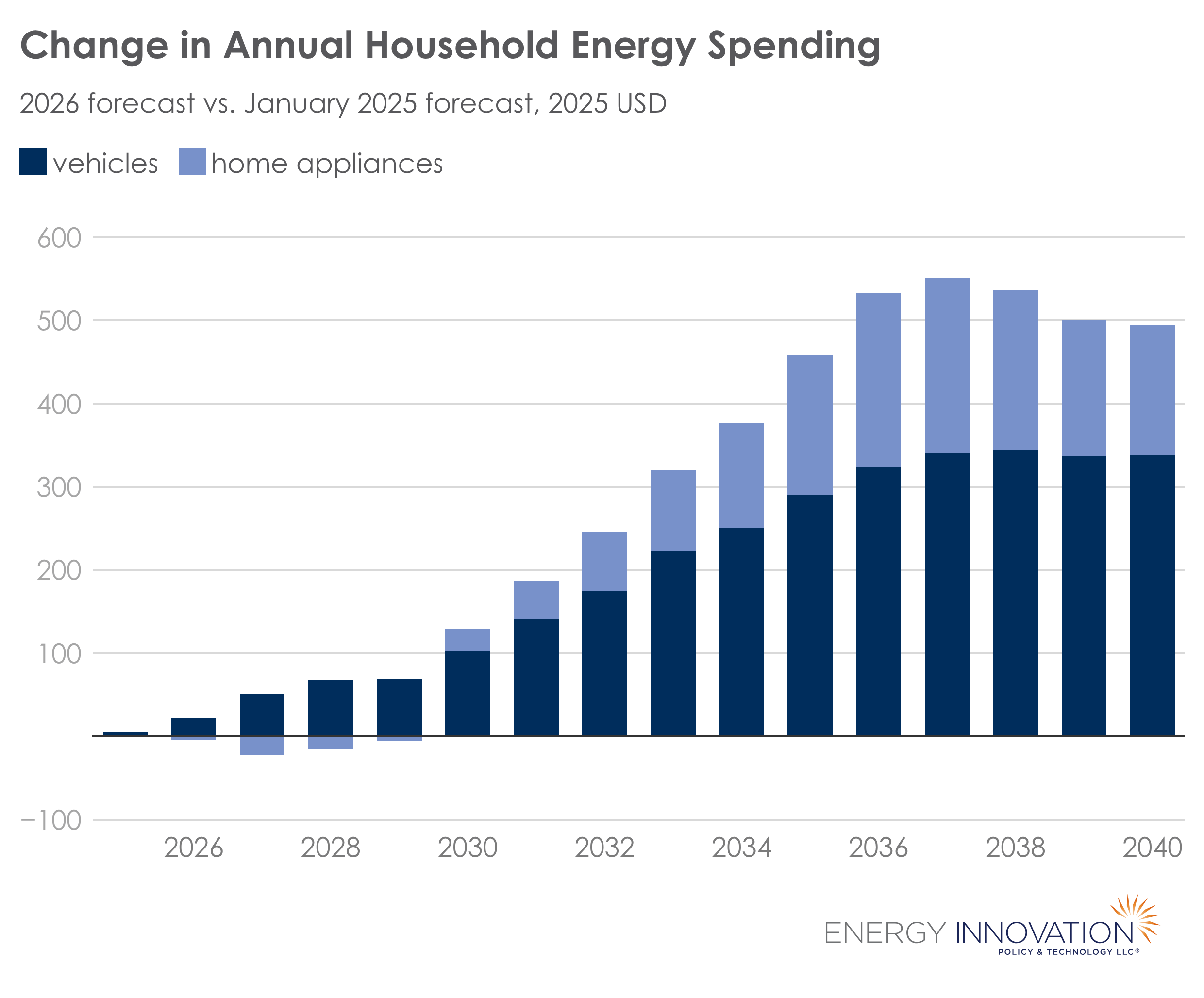
Doubling down on fossil fuel power plants, especially natural gas, will force Americans to pay more – rising natural gas demand alone will cause residential retail electricity rates to rise by 15 percent by 2035.
Our modeling diverges from other recent analysis of the One Big Beautiful Bill Act’s impacts because it incorporates the latest energy and cost data, includes expected behind-the-meter (BTM) gas turbine buildout, the data center load growth driving those BTM turbine projects, administration actions restricting solar and wind permitting, and the blockage of offshore wind projects while focusing on the net changes specifically caused by policy changes since January 2025.
These impacts are already being felt across the country. More than 26 GW of offshore wind projects have been cancelled due to the administration’s withholding of permits and actively using taxpayer dollars to buy out developers from these projects. Around 30 GW of onshore wind is currently paused or cancelled because of the inability of developers to obtain required permits, a tactic being used to halt or cancel many of these projects.
But the greatest impacts are yet to come. These policy changes will really take their toll in the coming years as investment decisions are made that factor in reduced tax credits and uncertainty for future U.S. investment policy.
While solar deployments will remain strong through 2030 due to the safe harbor rules included in OBBBA (developers have until 2030 to still earn the Inflation Reduction Act tax credits on projects that have commenced construction), our modeling finds a steep drop off in deployment beginning in the early 2030s, with an average decrease of 13 GW and 36 GW per year for solar PV and onshore wind through the 2030s.
This finding aligns with other models like Rhodium’s Taking Stock 2026 which finds solar deployments plateau in the early 2030s. These reductions add to the capacity losses created by significant cancellations of wind projects between now and 2030.
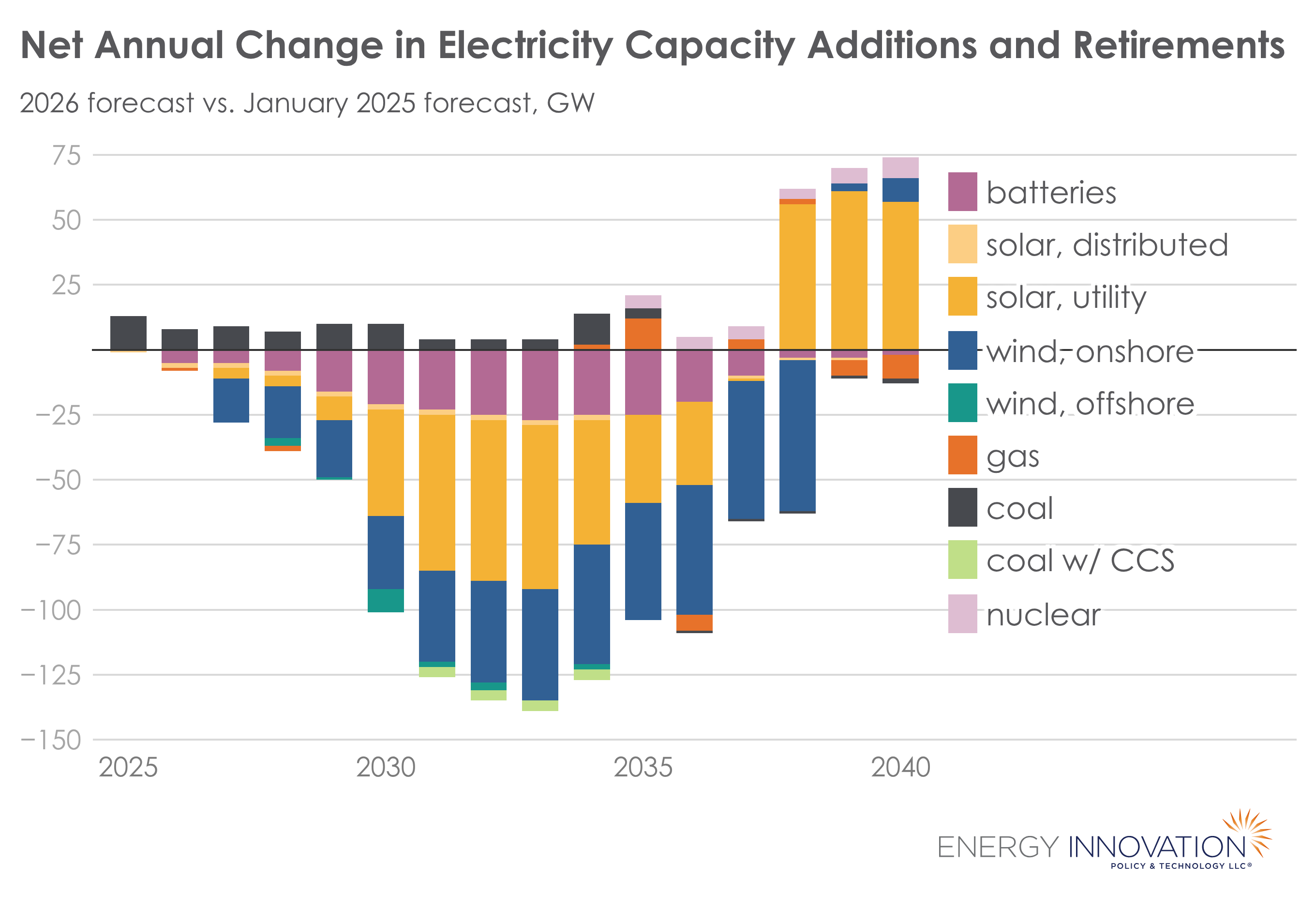
Pre-2030 power plant cancellations are due largely to the administration blocking necessary permits. Post-2030 losses of new power plants are due to OBBBA’s repeal of clean electricity tax credits and the repeal of the U.S. Environmental Protection Agency’s 111 power plant pollution rules. OBBBA reduced, shortened, and terminated tax credits for many clean energy technologies that would have been around for at least a decade, while repealing the 111 rules keeps more coal on the system and displaces new clean energy projects.
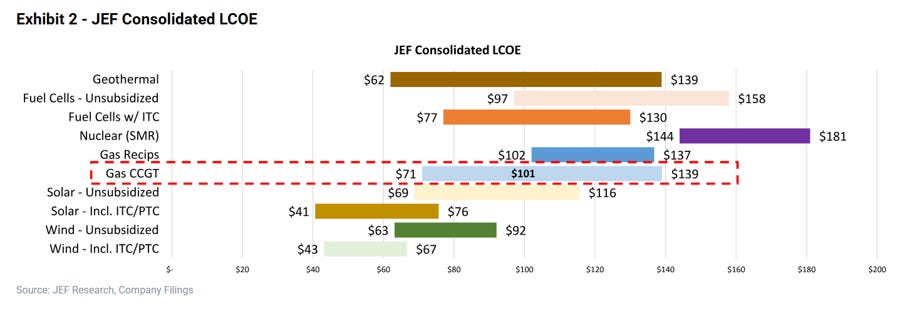
Without the tax credits, project economics look very different. For example, Jefferies estimates that tax credits lower solar project costs by $23-$28 per megawatt-hour. With the tax credits, solar clearly beats out gas. Without them, it is a tossup. Because project economics vary by geography, tax credits are an important tool to make clean energy an option in places with lower resource quality but where clean energy still delivers large economic benefits by freeing people from the volatility of natural gas prices.
This all hits at the same time as extraordinary demand growth. The latest projections suggest total U.S. electricity demand will grow 30-55 percent by 2040, unprecedented growth compared to the last 20 years, necessitating significant electricity capacity additions.
But the fossil fuel technologies favored by current federal policy have limited ability to meet this demand growth. To start, given their expensive costs and significant air pollution, no new coal plants are expected to be built during this time. But the global gas turbine shortage in particular means getting a turbine online will take years: GE Vernova is currently taking orders for deliveries in 2031, for example.
And those gas turbines cost far more than they used to. GridLab estimates combined cycle plant costs have increased from between $1,000 and $1,400 per kilowatt for projects nearly completion to over $2,000 a kW for recently commenced projects. The turbine backlog and rising capital costs for gas turbines mean developers are increasingly turning to solar and wind for new capacity.
Cost increases for technologies like solar and wind – which were coming online at a record pace and meeting demand – from repealed tax credits directly increases system costs by making the only thing available more expensive.
On top of higher capital costs, higher costs for energy, specifically natural gas, are also increasing electricity system costs. As clean energy fails to reach the levels it was previously headed for, the grid in turn will rely more heavily on running the existing coal and gas fleet.
Our modeling finds that increased demand for natural gas from less clean electricity will raise natural gas prices for electricity generation 36 percent by 2040 compared to a pre-OBBBA policy scenario. Natural gas prices paid by homeowners will follow, with consumer gas prices rising 13 percent by 2040. Together, these effects will add billions in energy costs across the economy.
Doubling down on fossil fuels will also make powering America’s data center boom far more expensive. Other recent Energy Innovation modeling found meeting America’s expected demand growth with a fossil fuel-heavy approach will add $30 billion per year to customer bills by 2030, and more than $40 billion per year under a fossil fuel price spike like the U.S. saw in 2022, even though the data is clear we don’t need more natural gas to meet surging demand.
Federal policy changes have also significantly raised the outlook for greenhouse gas emissions. The policies enacted over the last 18 months add more than 1 gigaton of annual emissions by 2040. Put another way, relative to 2025 emissions, pre-January 2025 policies were expected to cut annual emissions nearly 2 Gt by 2040. With current policies, emissions are only expected to drop by 0.9 Gt.
That means less than half - 44 percent to be exact - of emissions reductions are preserved, and more than half lost. This certainly suggests that under current federal energy policy, America’s energy system glass is more than half empty.
 | A guest post by
|